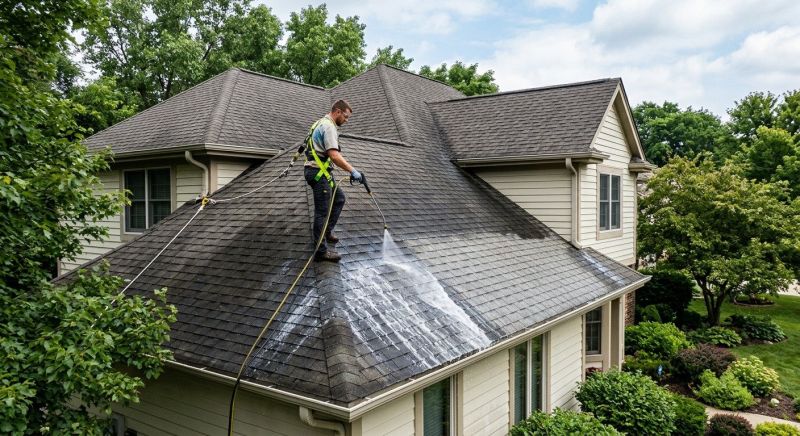
Roof Soft Washing in Vancouver, WA
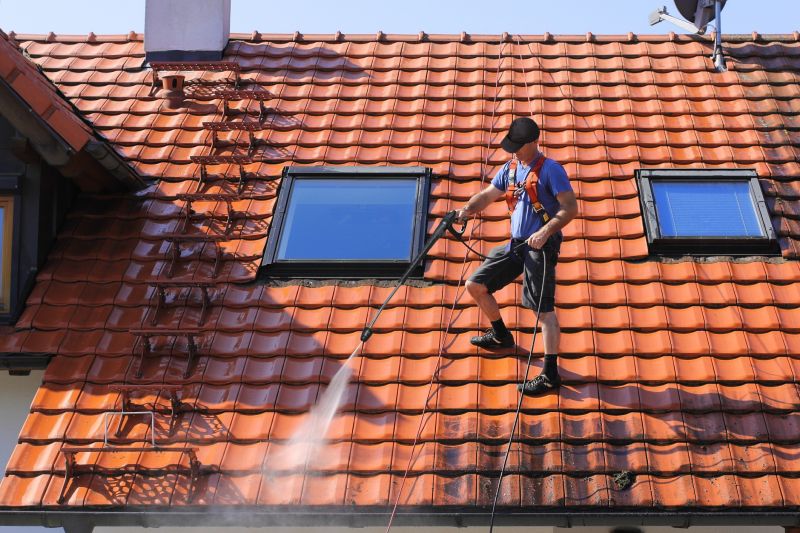
Roof soft washing is a gentle cleaning method designed to remove dirt, algae, moss, and other buildup from the surface of residential roofs. This service typically involves applying a low-pressure cleaning solution that effectively cleans shingles, tiles, or other roofing materials without causing damage. Soft washing can help improve the appearance of a roof, extend its lifespan, and prevent issues caused by organic growth or accumulated debris. Projects often include cleaning entire roof surfaces, especially in cases where algae or moss have become prominent, or when preparing a roof for maintenance or sale.
Homeowners considering soft washing usually want to understand the process, including how it differs from high-pressure power washing, and what types of roofing materials are suitable. It’s also helpful to know what kind of maintenance might be needed afterward to keep the roof looking its best. Property owners often request this service to restore curb appeal, reduce the risk of damage, and maintain the integrity of their roofing materials over time.
Many property owners in Vancouver, WA look into Roof Soft Washing for repairs, replacements, upgrades, and appearance-related improvements.
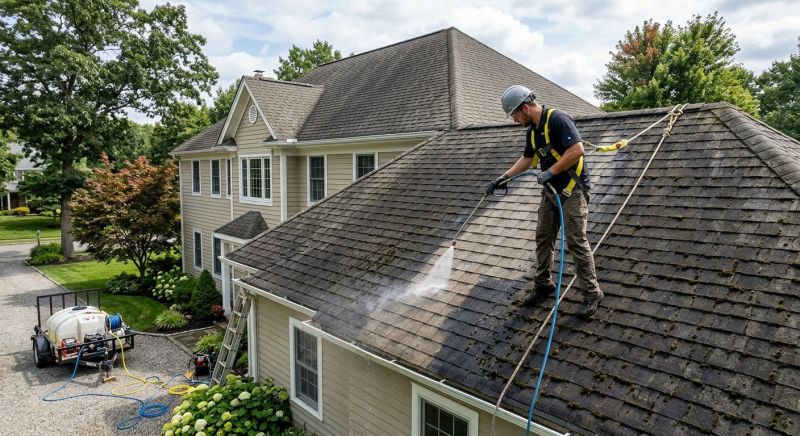
Enhanced Roof Appearance
Soft washing restores the roof’s original look by removing algae, moss, and stains.
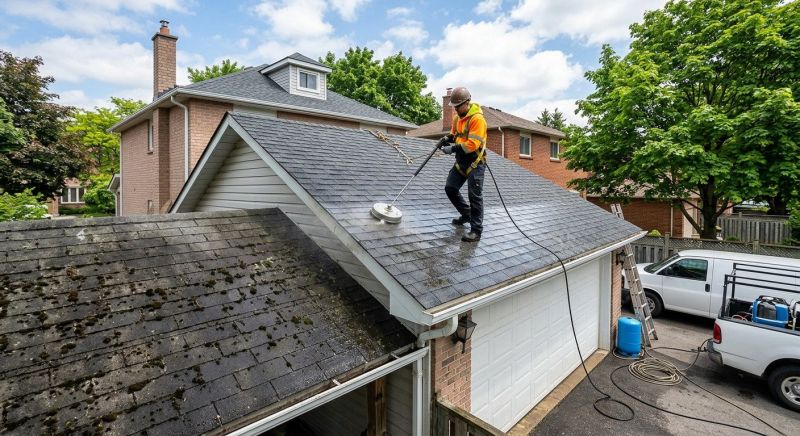
Extended Roof Lifespan
Regular soft washing helps prevent damage caused by moss and lichen buildup.
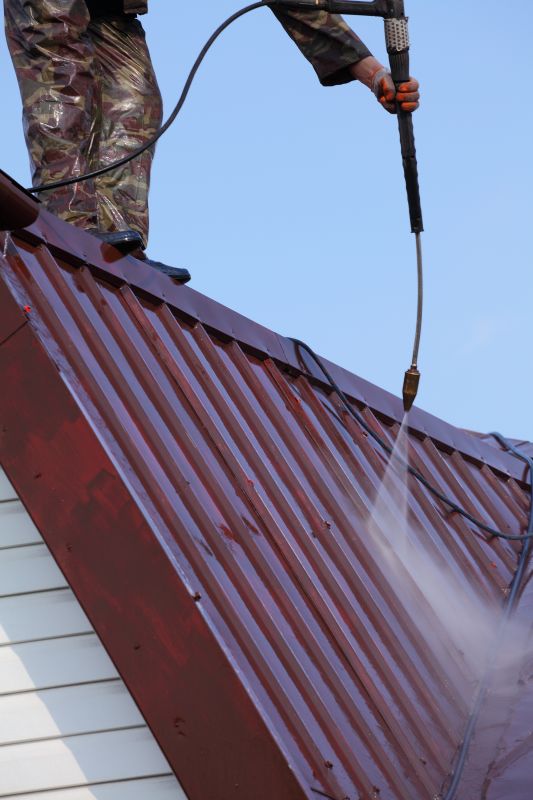
Protective Roof Maintenance
Soft washing is a gentle cleaning method that preserves roof materials and integrity.
Roof Soft Washing in Vancouver, WA
Roof soft washing is a gentle cleaning method designed to remove dirt, algae, moss, and other buildup from the surface of residential roofs. This service typically involves applying a low-pressure cleaning solution that effectively cleans shingles, tiles, or other roofing materials without causing damage. Soft washing can help improve the appearance of a roof, extend its lifespan, and prevent issues caused by organic growth or accumulated debris. Projects often include cleaning entire roof surfaces, especially in cases where algae or moss have become prominent, or when preparing a roof for maintenance or sale.
Homeowners considering soft washing usually want to understand the process, including how it differs from high-pressure power washing, and what types of roofing materials are suitable. It’s also helpful to know what kind of maintenance might be needed afterward to keep the roof looking its best. Property owners often request this service to restore curb appeal, reduce the risk of damage, and maintain the integrity of their roofing materials over time.
Many property owners in Vancouver, WA look into Roof Soft Washing for repairs, replacements, upgrades, and appearance-related improvements.
Common Roof Soft Washing Jobs
Roof Soft Washing - gently cleans roofs to remove algae, moss, and dirt buildup.
Residential Roof Cleaning - restores curb appeal by eliminating stains and discoloration.
Moss and Algae Removal - prevents damage caused by organic growth on roofing surfaces.
Shingle and Tile Roof Care - safely cleans various roofing materials without causing harm.
Gutter and Roof Line Cleaning - clears debris and organic matter to protect roofing integrity.
Roof Maintenance Preparation - prepares roofs for sealing, painting, or further repairs.
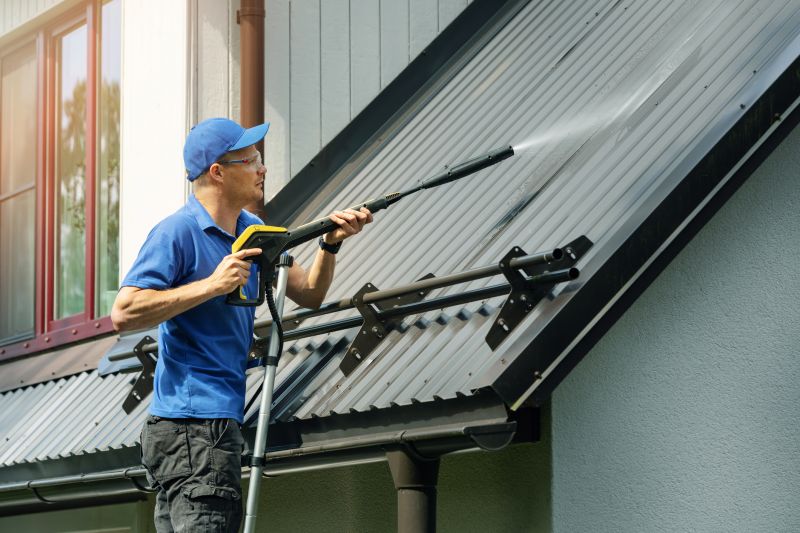
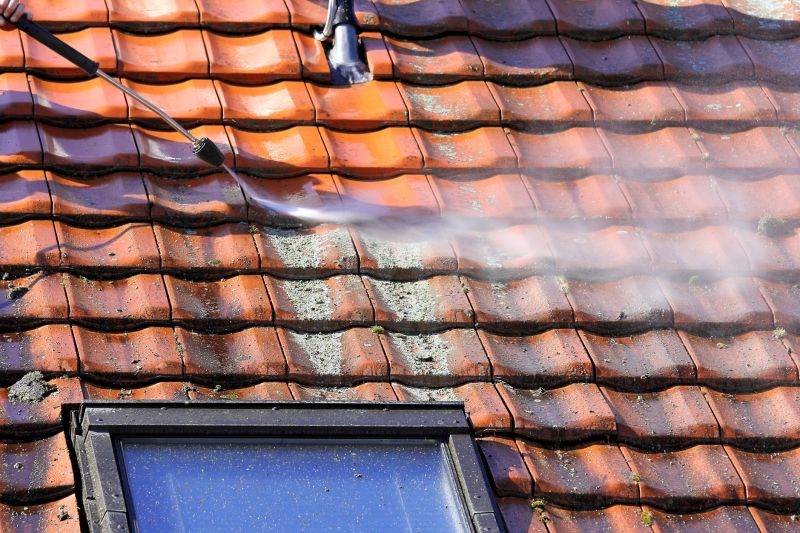
Roof Soft Washing Questions
What is roof soft washing? Roof soft washing is a gentle cleaning method that removes dirt, algae, and moss without damaging shingles or roofing materials.
What types of roofs benefit from soft washing? Asphalt, tile, and wood shake roofs can all benefit from soft washing to maintain appearance and extend lifespan.
Is soft washing safe for my roof? Yes, soft washing uses low-pressure techniques and specialized cleaning solutions to safely clean roofing surfaces.
How often should a roof be soft washed? Typically, roofs are cleaned every 1 to 3 years to prevent buildup and keep them looking their best.
Request Roof Soft Washing in Vancouver, WA
Use the quote form on this page to share the basics of your project and request more information for the type of work you need.