How Often Roof Cleaning Should Be Scheduled
People searching for how often roof cleaning should be scheduled are typically looking to maintain their roof’s appearance and prevent damage, and local contractors can provide expert guidance on the ideal cleaning frequency for their needs.
Understanding how often roof cleaning should be scheduled is a common concern for property owners looking to protect their investment and maintain curb appeal. If you're in an area with frequent weather changes, heavy rainfall, or a lot of tree coverage, these factors can influence the ideal cleaning interval. Local contractors who specialize in roof cleaning can assess your specific situation and recommend a maintenance schedule tailored to your property's needs, helping to prevent issues like moss buildup, algae growth, and debris accumulation.
Keeping your roof in good condition is essential for the longevity of your property, and regular cleaning plays a key role in that effort. Whether your roof is new or has been in place for years, understanding the appropriate frequency for cleaning can save time and help avoid costly repairs down the line. Service providers in the area are equipped to handle these tasks efficiently, offering advice on maintenance routines that align with local conditions and your property's unique characteristics. Keep reading to learn more about how to determine the right schedule for roof cleaning and how local experts can assist in keeping your roof in top shape.
- Residential roof cleaning - homeowners often schedule this service annually or biannually to prevent buildup of moss and algae.
- Commercial roof cleaning - businesses may need more frequent cleanings, such as once a year, depending on local weather conditions and debris accumulation.
- Gutter and roof debris removal - this work is typically recommended after storms or seasonal changes to maintain roof integrity.
- Algae and moss treatment - periodic treatments are advised when signs of growth appear, often every 1-2 years, to extend the roof’s lifespan.
- Storm damage roof inspections - scheduled as needed, especially after severe weather, to address any debris or damage that could accelerate the need for cleaning.
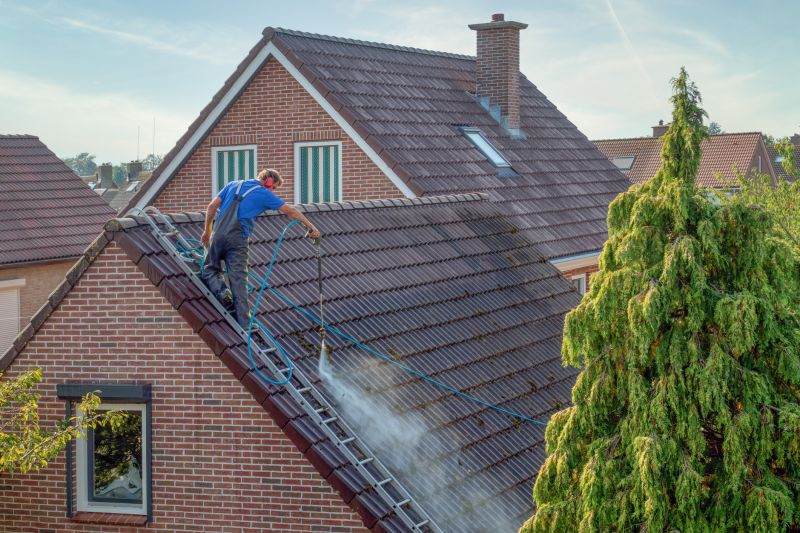
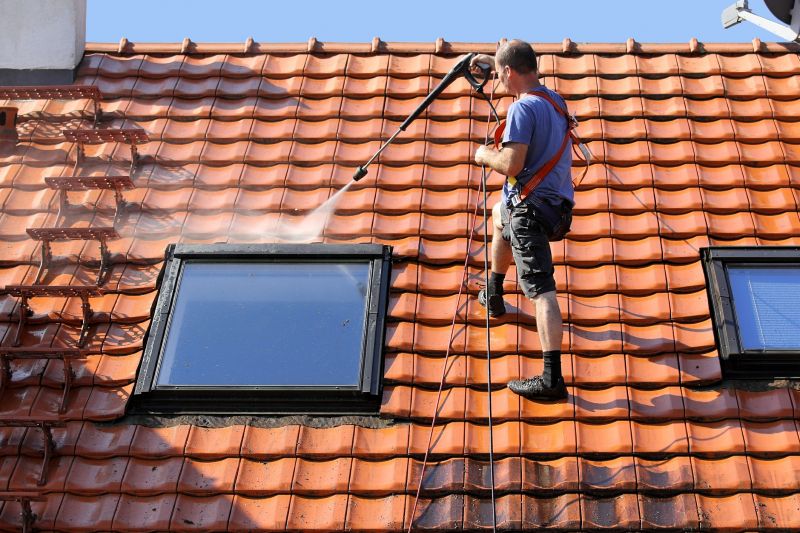
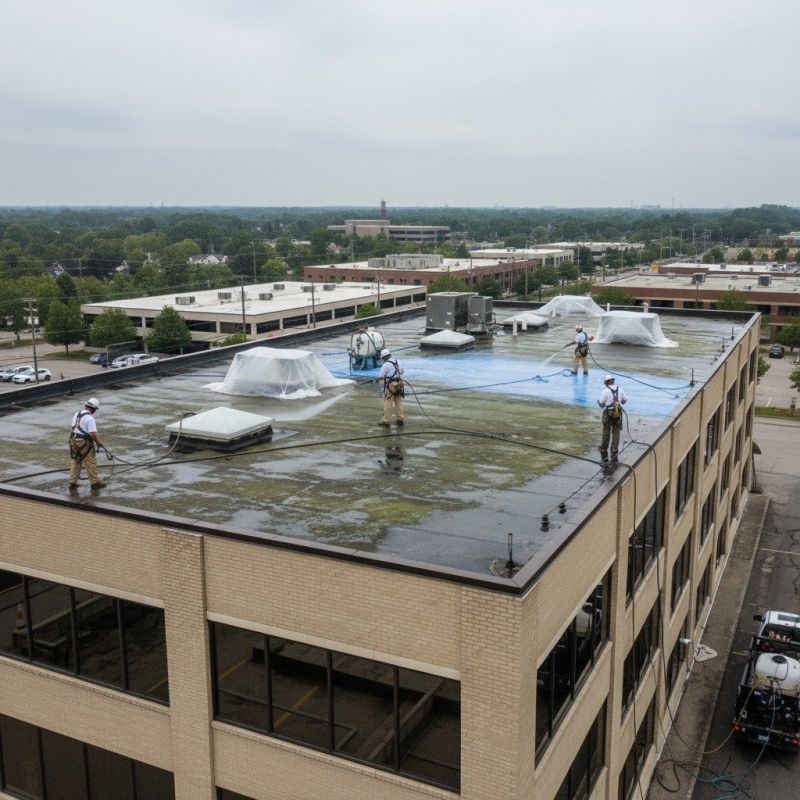
When homeowners search for how often roof cleaning should be scheduled, they are typically looking for guidance on maintaining their property's appearance and preventing potential damage caused by debris, moss, algae, or mold buildup. This concern often arises during routine home upkeep, especially when noticing dark streaks or patches on the roof surface. Many people understand that regular cleaning can extend the lifespan of roofing materials and improve curb appeal, but they may be unsure about the ideal frequency for their specific situation. The goal is to find a balance that keeps the roof in good condition without unnecessary or overly frequent service visits.
The question of how often roof cleaning should be scheduled relates closely to the property's environment, age, and surrounding conditions. For example, homes located in areas with high humidity, frequent rainfall, or abundant tree cover tend to develop moss, algae, or mold more quickly, requiring more regular cleanings. Conversely, properties in drier or less shaded locations might not need cleaning as often. This topic also ties into broader maintenance plans, such as preparing for seasonal changes, preventing roof damage, or preparing a home for sale. Local service providers can assess these factors and recommend an appropriate cleaning schedule tailored to each property’s unique needs.
Different types of properties come into play when considering how often roof cleaning should be scheduled. Residential homes, especially those with asphalt shingles, wood, or tile roofs, often benefit from routine cleanings every one to three years. Commercial buildings, which may have flat or metal roofs, might require different schedules based on their exposure and use. Multi-family complexes or properties with extensive landscaping might see quicker buildup of debris or organic growth, prompting more frequent cleanings. Understanding the specific property type and its environmental context helps homeowners and property managers determine the right timing for professional roof cleaning services.
Local roof cleaning service providers play an important role in establishing an effective maintenance plan. They can evaluate the roof’s condition, identify signs of buildup or damage, and recommend a schedule that suits the property’s environment and material type. Regular cleanings help prevent issues such as clogged gutters, roof deterioration, or water infiltration, which can lead to costly repairs if neglected. Connecting with experienced local contractors ensures that the roof receives appropriate care at the right intervals, supporting long-term property health and appearance. This approach makes scheduling roof cleaning a practical part of ongoing property maintenance rather than an uncertain or guesswork task.
Gutter Cleaning Services - gutter cleaning involves removing debris that can affect roof health, making it related to how often roof cleaning should be scheduled for optimal maintenance.
Roof Inspection Services - regular roof inspections help identify when cleaning is needed, ensuring that local contractors can advise on appropriate scheduling based on roof condition.
Moss and Algae Removal - moss and algae treatments are often part of roof cleaning, requiring knowledge of how often these issues tend to recur to plan effective service intervals.
Power Washing Services - power washing can be used on roofs to remove dirt and buildup, which ties into understanding the frequency of cleaning for long-term roof preservation.
Exterior Surface Cleaning - cleaning surrounding surfaces like siding and decks complements roof cleaning and involves similar planning for maintenance schedules.
Roof Repair Services - repairs often follow or coincide with cleaning schedules, making it important for local contractors to coordinate timing based on roof condition and cleaning needs.
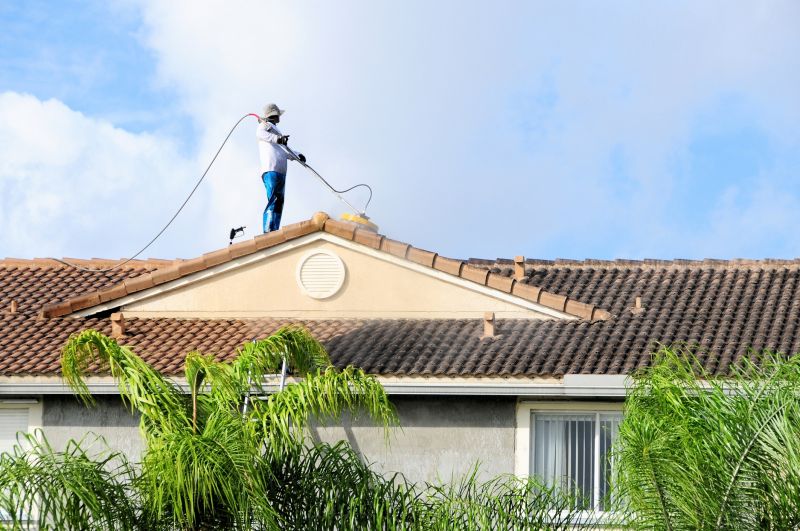
When evaluating different service providers for roof cleaning, it is important to consider their experience with similar projects. Homeowners should inquire about how long the contractors have been performing roof cleaning services and whether they have handled homes with comparable roof types or conditions. A contractor with a proven track record of working on projects similar to the homeowner’s can help ensure the job is completed effectively and efficiently, reducing the likelihood of issues that might arise from inexperience.
Clear written expectations are also essential when comparing local contractors for roof cleaning. Homeowners should seek detailed descriptions of the scope of work, including what is included and what is not, as well as any recommendations for how often roof cleaning should be scheduled based on their specific roof and environment. This clarity helps prevent misunderstandings and ensures that both parties are aligned on the goals and responsibilities, making it easier to assess which service providers are best suited to meet their needs.
Reputable references and good communication are key indicators of a reliable roof cleaning service provider. Homeowners can request references from previous clients or seek out reviews to gauge the quality of past work and customer satisfaction. Additionally, service providers who communicate openly and promptly can better address questions or concerns about how often roof cleaning should be scheduled, ensuring that homeowners receive trustworthy advice tailored to their roof’s condition. These qualities help create a transparent and confident decision-making process when selecting local pros for the job.
Property owners often search for how often roof cleaning should be scheduled when they are planning practical projects around their homes and businesses. Local pros provide Roof Cleaning Service services for everyday jobs and straightforward project options.
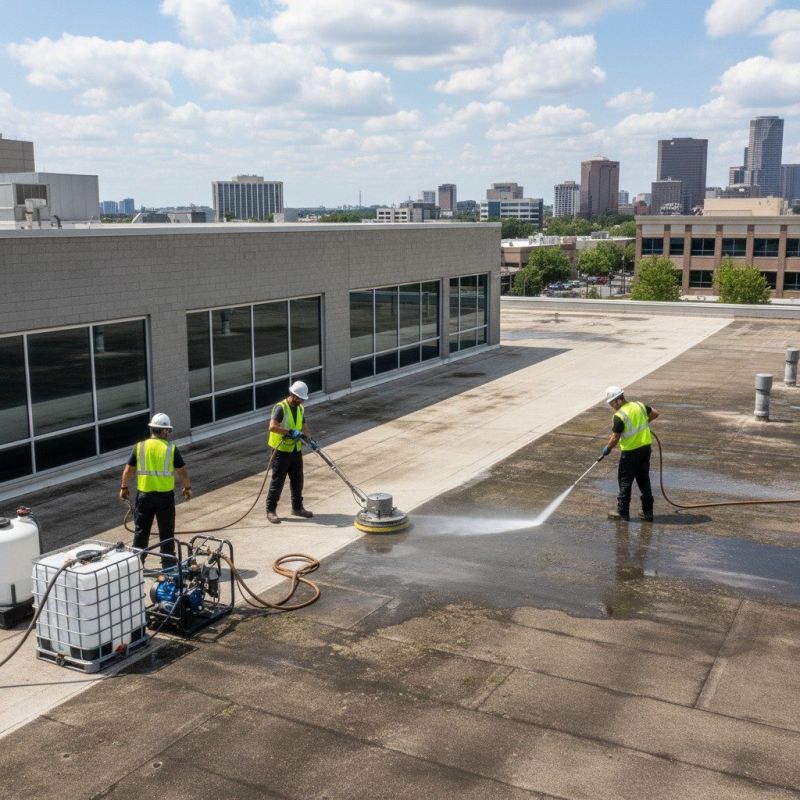
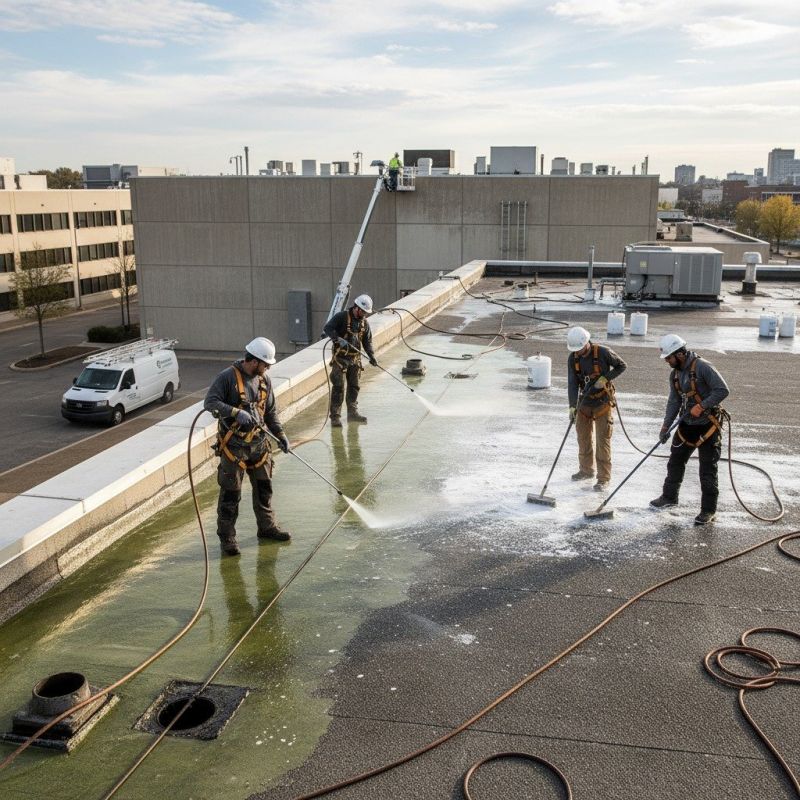
Property owners in the area often wonder how frequently roof cleaning should be scheduled to maintain the appearance and integrity of their homes. In general, most homes benefit from a roof cleaning every one to three years, depending on factors like local weather conditions, nearby trees, and the presence of moss or algae. Regular cleanings help prevent buildup that can lead to damage or costly repairs down the line, making it a common consideration for those looking to preserve their property's value and curb appeal.
Local contractors who specialize in roof cleaning services can assess individual properties to recommend appropriate schedules based on specific conditions. They can identify signs of excessive dirt, moss, or algae that may indicate a need for more frequent cleanings. Engaging with these service providers ensures that roof maintenance aligns with the unique needs of each property, helping owners stay on top of upkeep and avoid potential issues caused by neglect or infrequent cleaning.
How often should roof cleaning be scheduled to maintain roof health? Typically, local contractors recommend scheduling roof cleaning every one to three years, depending on factors like local climate, tree coverage, and roof material.
Are there signs that indicate more frequent roof cleaning is necessary? Yes, the presence of moss, algae, heavy debris buildup, or visible staining can suggest that more frequent cleanings are needed to prevent damage and maintain appearance.
What factors influence how often roof cleaning should be scheduled? Factors such as proximity to trees, weather conditions, and roof age can affect the ideal frequency of cleanings, with local service providers helping determine the best schedule.
Can scheduling roof cleaning more often extend the lifespan of a roof? Regular cleanings performed by local contractors can help remove damaging growth and debris, potentially extending the roof’s lifespan when done at appropriate intervals.
Is there a recommended schedule for different types of roofing materials? Yes, asphalt shingles may require cleaning every 1-2 years, while tile or metal roofs might need less frequent attention; a local pro can advise on the best schedule based on roof type.
Seasonal considerations - property owners can plan roof cleaning schedules around seasonal changes, with local contractors providing guidance on optimal timing for their specific climate.
Roof material type - understanding the type of roofing material helps determine how often roof cleaning should be scheduled, as some materials require more frequent maintenance handled by local service providers.
Environmental factors - areas prone to heavy pollen, moss, or algae growth may need more regular roof cleaning, which local pros can help coordinate to keep the roof in good condition.
Property age and condition - older or neglected roofs benefit from more frequent cleaning schedules, with local contractors offering advice on maintaining roof integrity through proper timing.
If you are thinking about how often roof cleaning should be scheduled for a property, this guide is meant to help you understand this topic, the typical project types, and how different options might fit your plans.
When you are ready, you can use the quote form on this page to share a few details about your project. From there, local pros can review the basics and follow up with options that match what you have in mind.